
WHAT IS CRANIOSACRAL THERAPY?
CranioSacral Therapy is a light-touch manual therapy that works with the central nervous system to relieve pain, reduce tension, and support the body's own capacity for regulation. Developed from osteopathic principles and refined over decades of clinical practice, this modality addresses restrictions in the fascial network surrounding the brain and spinal cord, restoring a natural rhythm that many body systems depend on for optimal function.
At my practice in Reno, Nevada, sessions are grounded in anatomy and physiology, not speculation. I apply every technique with precision and intention, informed by a clear understanding of how the nervous system, fascia, and skeletal structure interact.

HOW CRANIOSACRAL THERAPY WORKS
The craniosacral system consists of the membranes and cerebrospinal fluid that surround and protect the brain and spinal cord. This system produces a subtle, rhythmic pulse, distinct from the cardiac or respiratory rhythm, that can be palpated by a trained practitioner.
Restrictions in fascial continuity, whether from injury, chronic stress, surgery, or repetitive strain, can disrupt this rhythm and create compensatory patterns throughout the body. These patterns often extend well beyond their original source, affecting posture, mobility, and even nervous system regulation.
Using a touch typically no heavier than the weight of a nickel, a practitioner evaluates the craniosacral rhythm and identifies areas of restriction. Gentle, sustained contact encourages the surrounding tissue to release, allowing the system to recalibrate and supporting the body's return to a more balanced state.

WHAT CRANIOSACRAL THERAPY MAY HELP WITH
CranioSacral Therapy is used to address a wide range of conditions, including (but not limited to):
Chronic pain and tension, particularly in the neck, back, and jaw
Headaches and migraines
Recovery from concussion or head injury
TMJ dysfunction
Effects of chronic stress on the nervous system
Postpartum recovery and adjustment for infants after birth
Sensory processing differences in children
Sleep disturbances
Fibromyalgia and chronic fatigue
This is not an exhaustive list. Because CranioSacral Therapy works directly with the nervous system, it is often used as a complement to conventional medical care rather than a replacement.

WHAT A SESSION FEELS LIKE
A typical session takes place with my clients fully clothed, lying comfortably on a treatment table. Depending on the treatment needs, my hands rest lightly on the head, spine, or other areas of the body, applying almost no pressure.
Many of my clients report a sense of deep stillness during a session, along with sensations of warmth, gentle pulsing, or a release of tension they may not have realized they were holding. Others fall into a state of rest similar to the early stages of sleep. These responses reflect the nervous system shifting out of chronic guarding and into genuine recovery.
Sessions typically last between thirty and sixty minutes, and effects can continue to unfold in the days that follow as the body integrates the work.

COULD CRANIOSACRAL THERAPY BE RIGHT FOR YOU?
CranioSacral Therapy is appropriate for a wide age range and a wide range of needs.
My adult clients often seek this work for chronic pain, stress-related symptoms, or recovery following injury or surgery. My teen clients benefit from support during periods of rapid growth, sports-related strain, or heightened stress. My infant and young children clients are frequently brought in following a difficult birth, for support with feeding difficulties, or to address early patterns of tension before they become established.
Because the technique is so gentle, it suits a range of clients who cannot tolerate more forceful manual therapies, including newborns, individuals recovering from acute injury, and those with heightened nervous system sensitivity.
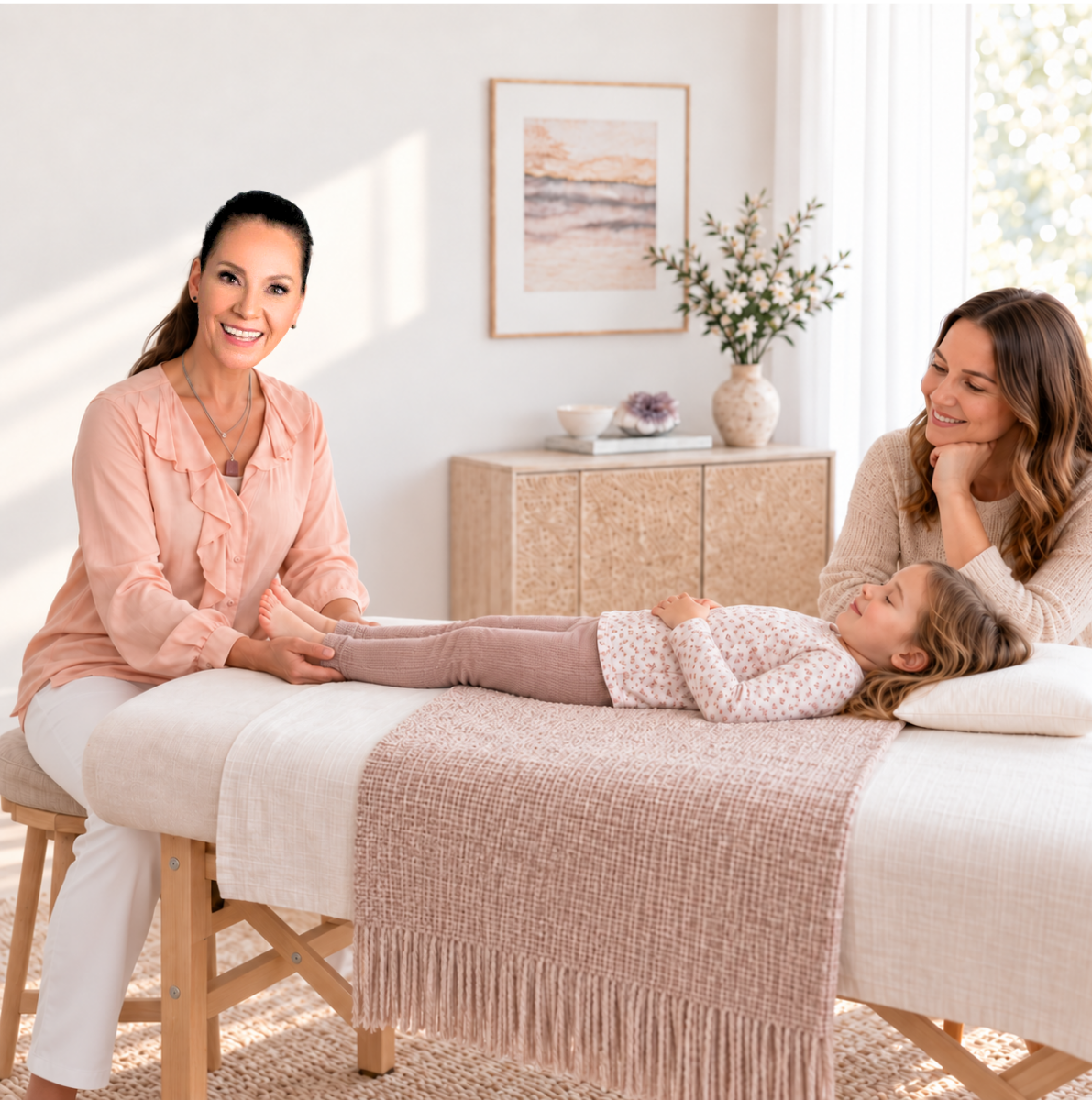
PEDIATRIC CRANIOSACRAL THERAPY
CranioSacral Therapy offers gentle, effective support for children at every stage of development, from newborns to school-aged kids. Its light, precise touch makes it an ideal option for addressing a wide range of pediatric concerns.
Newborns and infants often benefit from CranioSacral Therapy following childbirth, as the birthing process can create tension patterns in the craniosacral system. This therapy is frequently used to ease colic, improve sleep, and support feeding challenges, such as difficulty with latching or nursing.
For older children, CranioSacral Therapy can help with stress regulation, sensory processing differences, and developmental milestones. This modality is particularly helpful for children experiencing growing pains, attention challenges, or sleep disturbances.
Because it works directly with the nervous system, sessions are tailored to the child’s unique needs and comfort level. The focus is always on creating a calm, supportive environment that helps their body gently integrate and process tension or imbalance. Parents are welcome to be present during sessions to create a safe and familiar experience for their child.
BEGIN YOUR CRANIOSACRAL THERAPY CARE BELOW
If you are dealing with persistent pain, recovering from an injury, or simply want to understand whether CranioSacral Therapy is right for you or your child, a conversation is the best place to start. Reach out through the form below to schedule a consultation and get clear, direct answers about what to expect. I’ll follow up with you personally and send a helpful guide explaining what to expect during your first session.
I look forward to connecting with you!